
Are you a beer lover curious about the art of brewing? Beer brewing is a craftsmanship that’s been perfected over centuries, involving precise techniques and ingredients. Our comprehensive guide unravels this mystifying process step by step, making it easy for anyone to master brewing at home.
Get ready to dive headfirst into an enchanting world where barley becomes beer.
Key Takeaways
- Brewing equipment for beer making includes a brew kettle, mash tun, and fermenter.
- Malt and hops are important ingredients in the brewing process that contribute to flavor and aroma.
- Yeast plays a crucial role in fermentation, turning sugars into alcohol and carbon dioxide.
- Proper sanitization, mashing, boiling, fermentation, and kegging/bottling are key steps in brewing beer.
Brewing Equipment and Ingredients
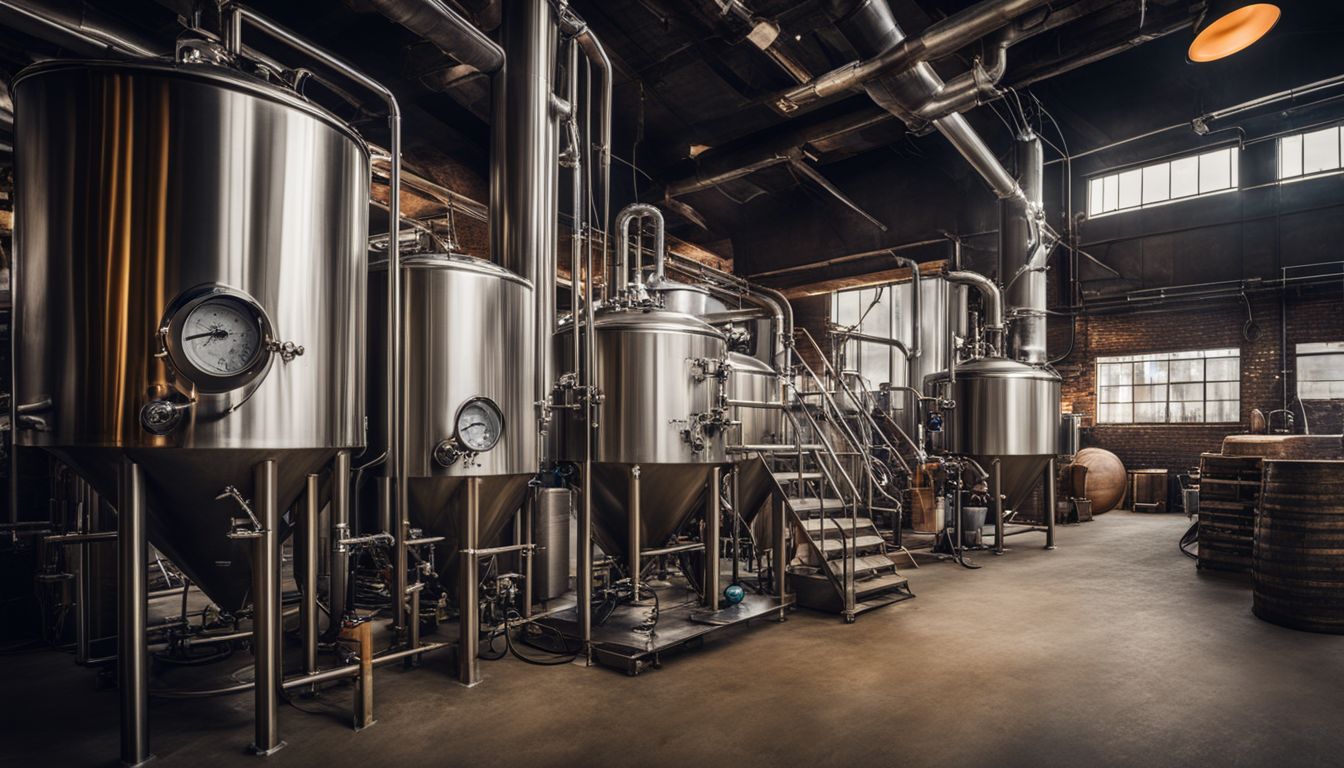
The brewing equipment needed for beer making includes a brew kettle, mash tun, and fermenter.
Brew Kettle
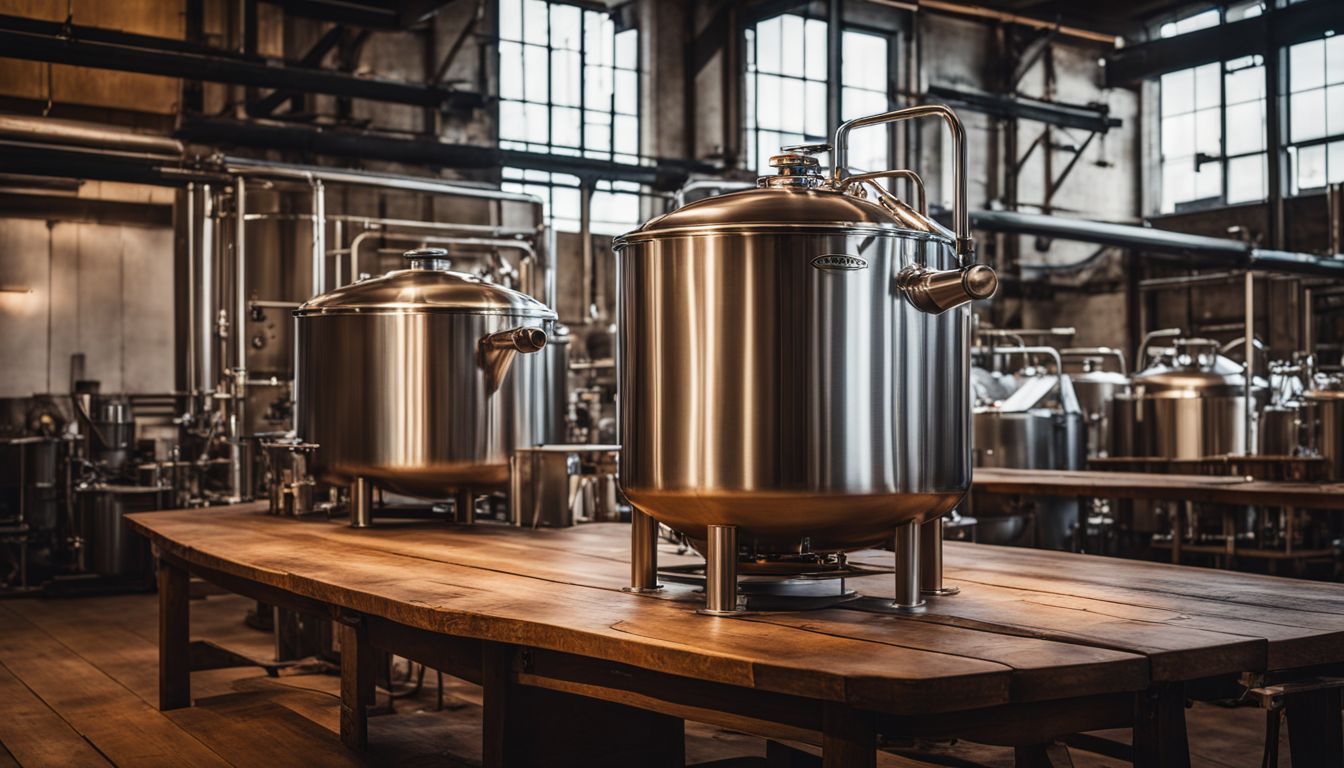
A brew kettle is a must-have tool for making beer. This large pot heats and boils the water and grains. The mix turns into a sweet liquid called “wort”. The size of the kettle matters.
A big one ensures no spills during boiling. It also lets you make more beer at once. Some kettles even come with extra features like a built-in thermometer or strainer! Using a good brew kettle makes brewing easy and fun.
Mash Tun
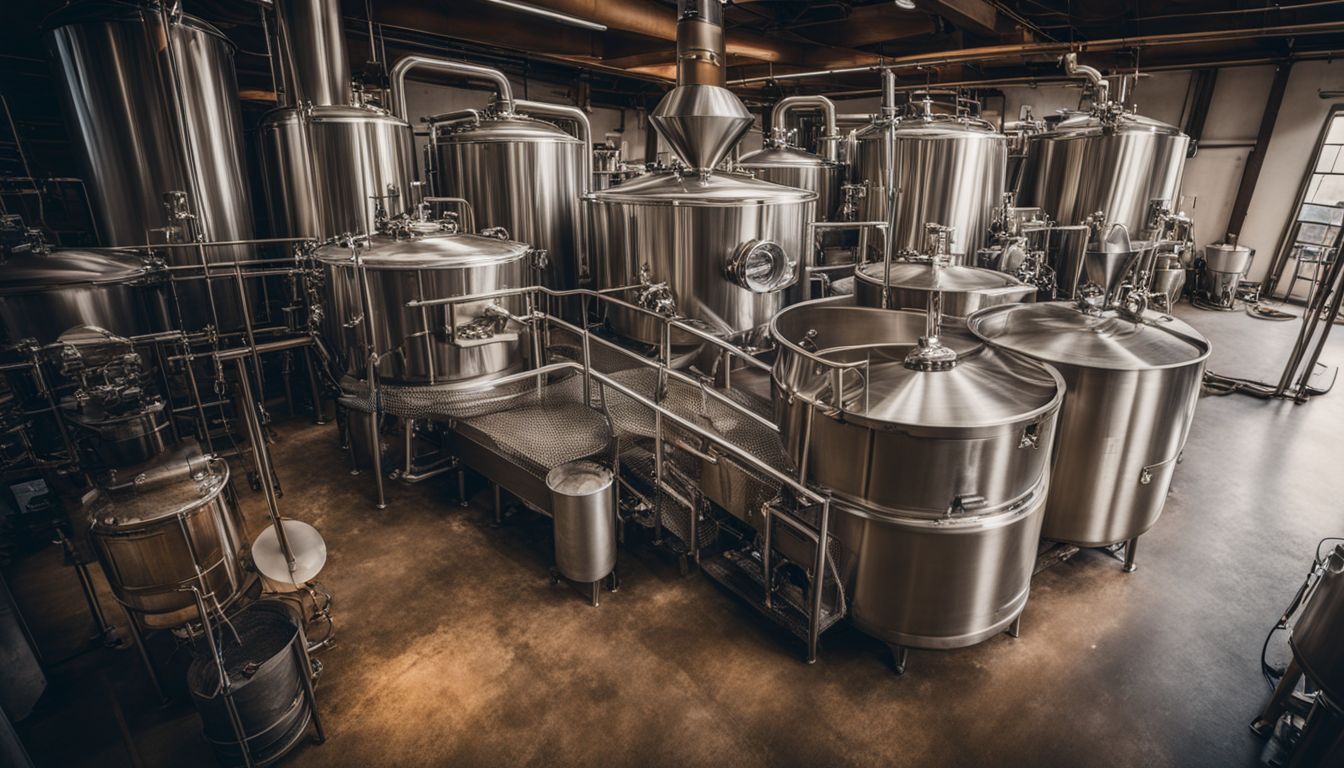
The mash tun is an important piece of equipment used in the beer brewing process. It’s where the malted grain and hot water are mixed together to create a substance called “mash.” The mash tun has a false bottom or filter that helps separate the liquid part of the mash, known as wort, from the solid grain particles.
Wort is what eventually becomes beer after fermentation. In the mash tun, enzymes in the malt break down complex starches into simpler sugars that yeast can ferment. This step is crucial for extracting flavors and creating alcohol in beer.
So, having a good quality mash tun is essential for making great-tasting beer at home.
Fermenter
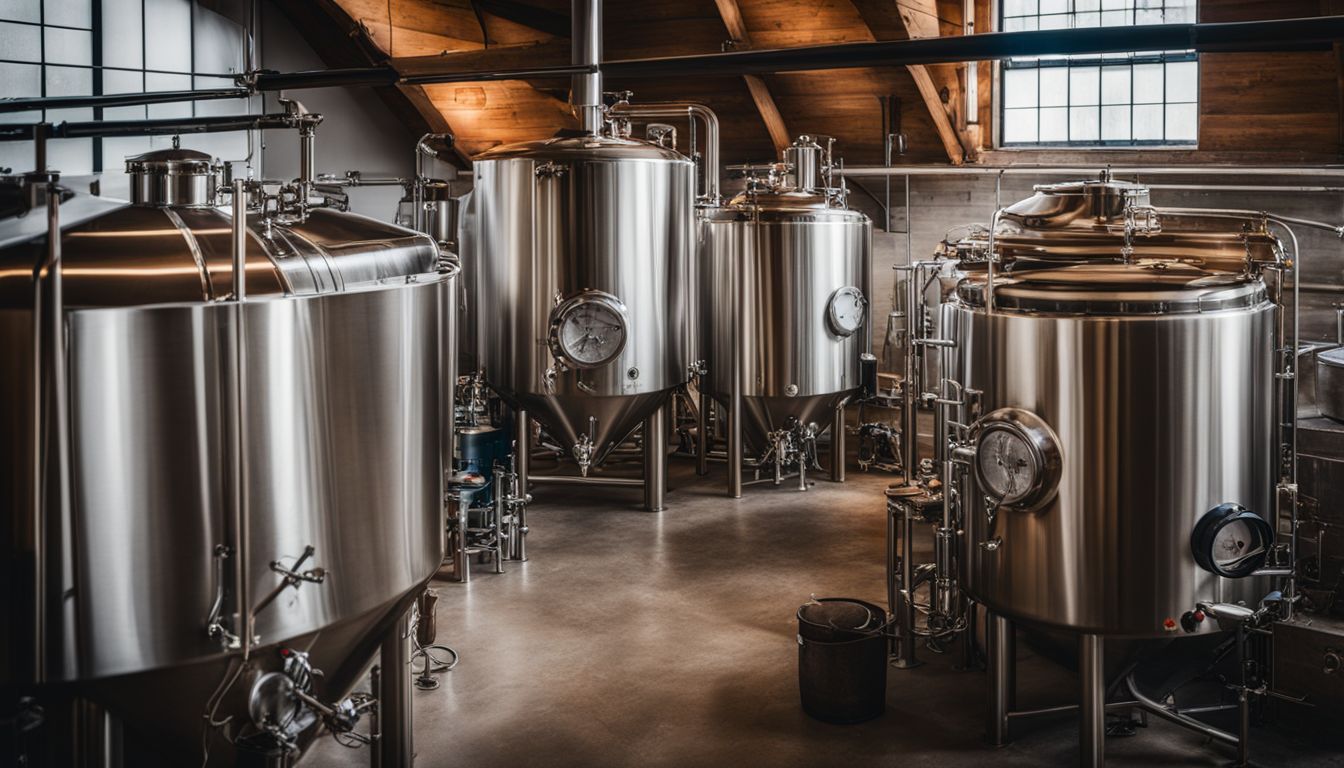
The fermenter is an essential piece of equipment in the beer brewing process. It is where fermentation takes place, turning wort into beer. During this stage, yeast consumes the sugars present in the wort and produces alcohol and carbon dioxide as byproducts.
The fermenter needs to be airtight to prevent contamination and allow for proper carbonation. It can be made of food-grade plastic or stainless steel, depending on personal preference and budget.
Some home brewers even use glass carboys for fermentation. Overall, choosing the right fermenter and understanding how to properly use it will help ensure a successful brewing process and delicious beer in the end.
Malt
Malt is an important ingredient in the beer brewing process. It is made from barley that has been soaked, germinated, and then dried in a process called malting. Malt provides the sugars that yeast feeds on during fermentation, which creates alcohol and carbonation in beer.
Different types of malt can be used to achieve different flavors and colors in beer. The malt is milled into a coarse powder before being added to hot water to start the mashing process.
This releases enzymes that convert starches into fermentable sugars. Without malt, there would be no beer! So if you’re interested in brewing your own beer at home, make sure you have some good quality malt on hand.
Hops
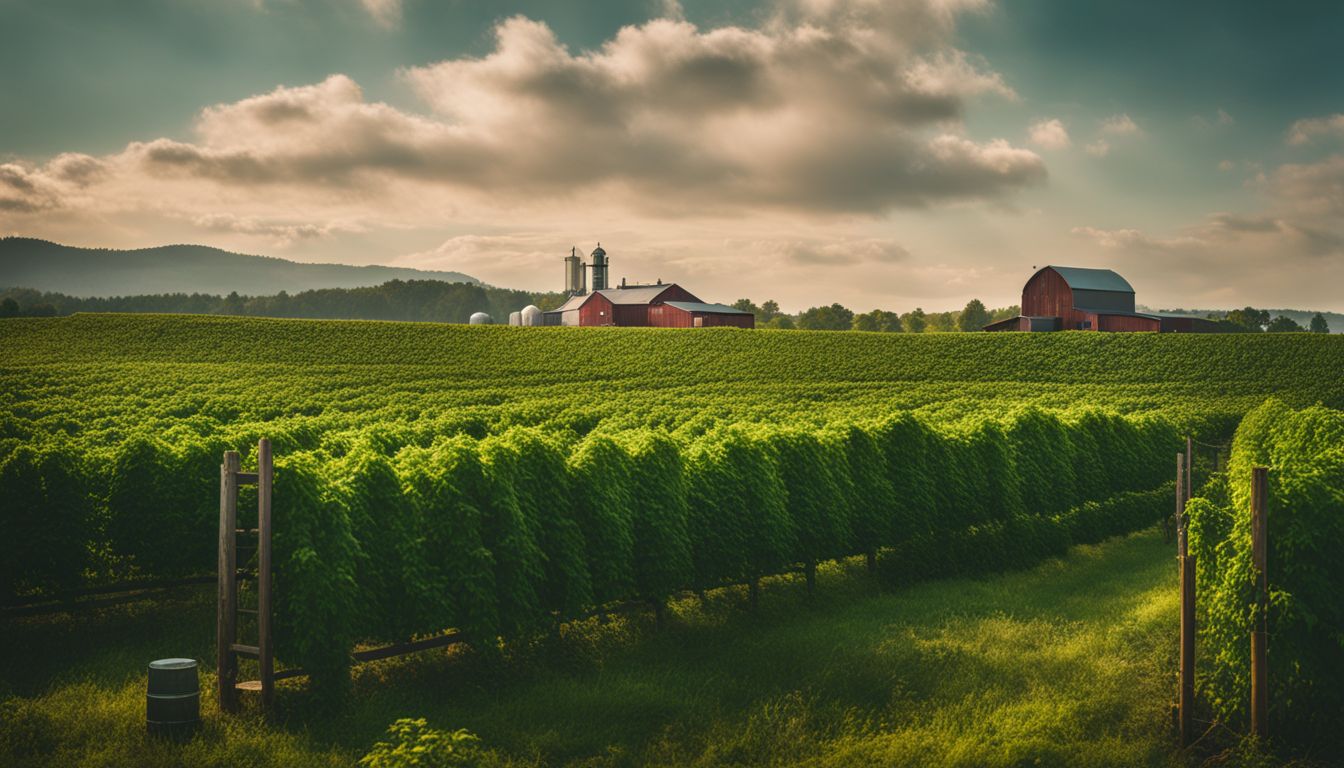
Hops are an essential ingredient in the beer brewing process. They add flavor, aroma, and bitterness to the beer. Hops come in different varieties, each with its own unique characteristics.
Some hops have citrusy notes, while others have more floral or spicy flavors. The type of hop used and when it’s added during the brewing process can greatly impact the taste of the final product.
Hops also act as a natural preservative, helping to extend the shelf life of beer. So next time you’re enjoying a cold brew, take a moment to appreciate the role that hops play in creating that perfect balance of flavor and aroma.
Yeast
Yeast plays a crucial role in beer brewing. It’s the tiny organism responsible for fermentation, which is when sugars are turned into alcohol and carbon dioxide. Yeast comes in different strains, each contributing unique flavors and aromas to the final beer.
Some strains produce fruity or spicy notes, while others create a clean and crisp taste. Brewers carefully select yeast based on the style of beer they want to make. They can choose from ale yeast for ales or lagers yeast for lagers.
During fermentation, yeast needs to be kept at specific temperatures to ensure optimal flavor development. It’s important to handle yeast carefully and keep everything clean since any contamination could affect the final product.
In addition, some brewers like to experiment with different fermentation techniques using various types of yeast strains known as wild yeasts or Brettanomyces yeasts (often referred to as “Brett”).
These wild yeasts can add funky or sour characteristics to beer styles like Saisons or Lambics. However, working with wild yeasts requires special care due to their unpredictable behavior during fermentation.
Water

Water plays a crucial role in the beer brewing process. It makes up the majority of the beer’s composition, so its quality is essential for creating a great-tasting brew. Different types of water can affect the taste and overall character of your beer.
Hard water, which contains high mineral content, can bring out bitterness in hops and enhance certain flavors. On the other hand, soft water can result in a more delicate and rounded taste.
It’s important to consider the mineral content and pH level of your brewing water to achieve desired results. Some brewers prefer to use filtered or purified water to have better control over their beer’s flavor profile.
The Beer Brewing Process
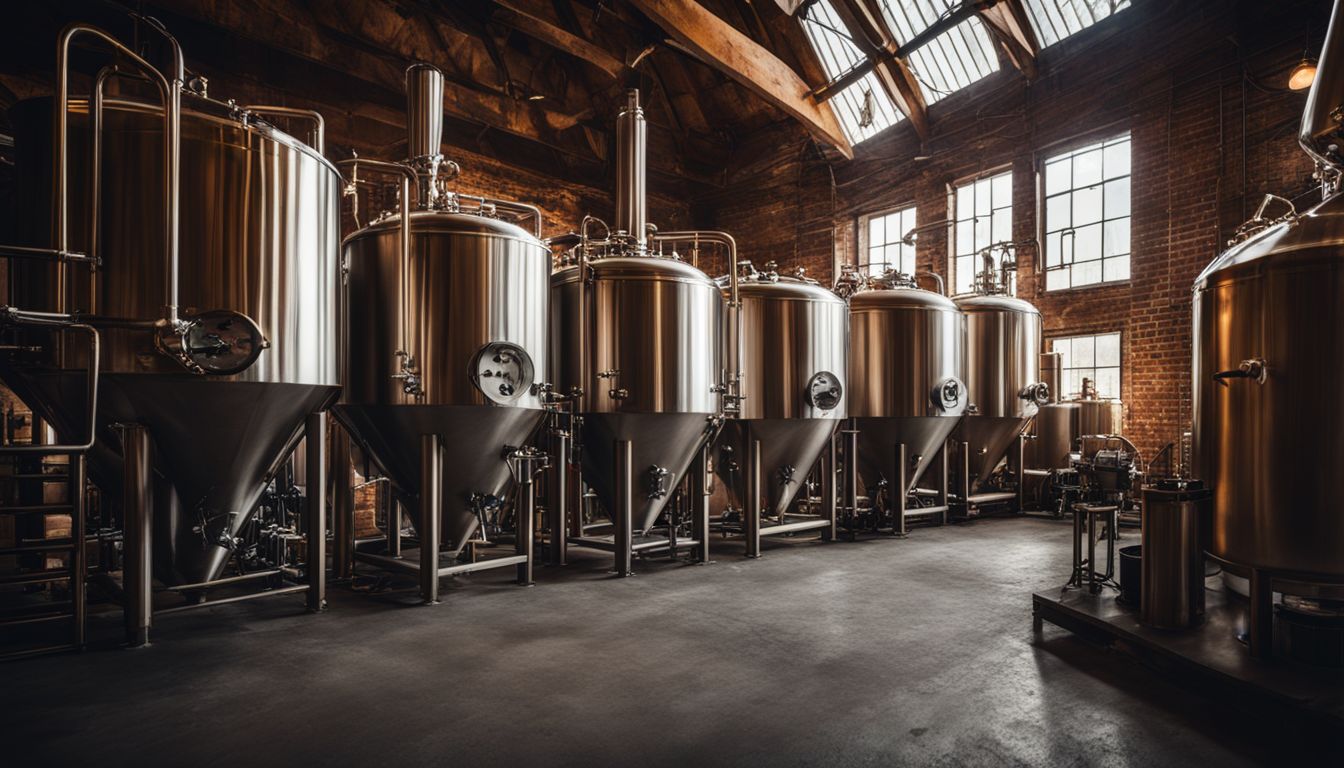
The beer brewing process involves several key steps, including sanitizing the equipment, mashing the ingredients to extract sugars, boiling the wort with hops for flavor and aroma, fermenting the wort with yeast to convert sugars into alcohol, and finally kegging or bottling the finished beer.
Discover more about each step in this comprehensive guide. Cheers!
Sanitizing

Sanitizing is an important step in the beer brewing process. It helps to eliminate any bacteria or unwanted microorganisms that can spoil the beer. Here are some tips for sanitizing your equipment:
- Clean everything thoroughly before sanitizing.
- Use a sanitizer solution or sanitizer tablets to effectively clean your brewing equipment.
- Make sure to sanitize all surfaces that will come into contact with the beer, including fermenters, airlocks, and siphoning equipment.
- Follow the instructions provided by the sanitizer manufacturer for the correct amount of sanitizer solution or tablets to use.
- Allow enough contact time for the sanitizer to work effectively. This usually takes around 10 – 15 minutes.
- Rinse well with clean water after sanitizing to remove any residue.
Mashing
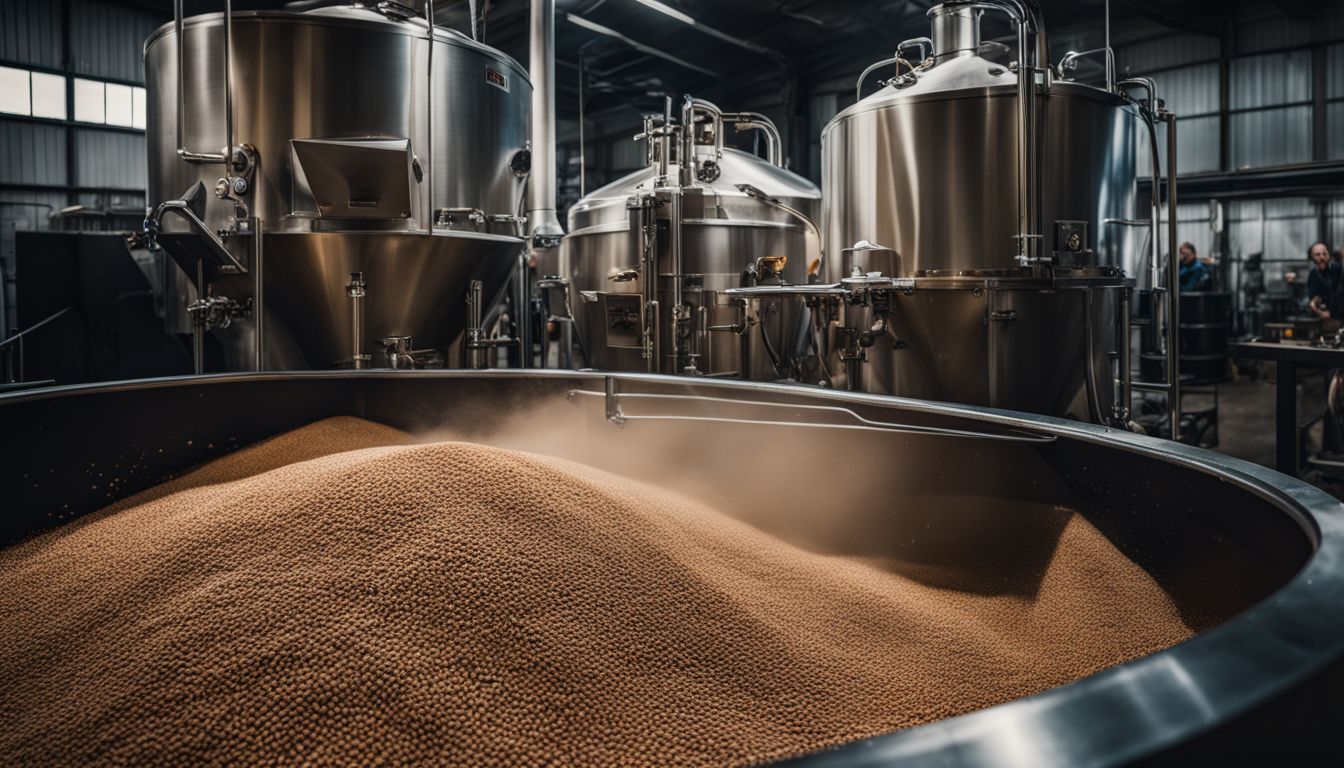
Mashing is an important step in the beer brewing process. It involves mixing malted grains with hot water to convert starches into sugars. Here are some key points to remember about mashing:
- Mashing is done in a vessel called a mash tun.
- The malt is crushed before being added to the mash tun.
- Hot water is added to the crushed malt to create a mixture called “mash.”
- The mash temperature is carefully controlled to activate enzymes.that break down the starches in the malt into fermentable sugars.
- There are different mashing techniques. such as single infusion, step mashing, and decoction mashing.
- During mashing, enzymes work on converting starches into simpler sugars.like glucose and maltose.
- The length of time for mashing depends on the recipe and desired characteristics of the final beer.
- After mashing, the liquid containing sugars and other soluble components from the grains is called “wort.”
- Wort is separated from the spent grain through a process called lautering.
- Lautering involves draining the wort from the bottom of the mash tun.while leaving behind grain residue.
- The extracted wort is then ready for boiling with hops.
Wort Boiling
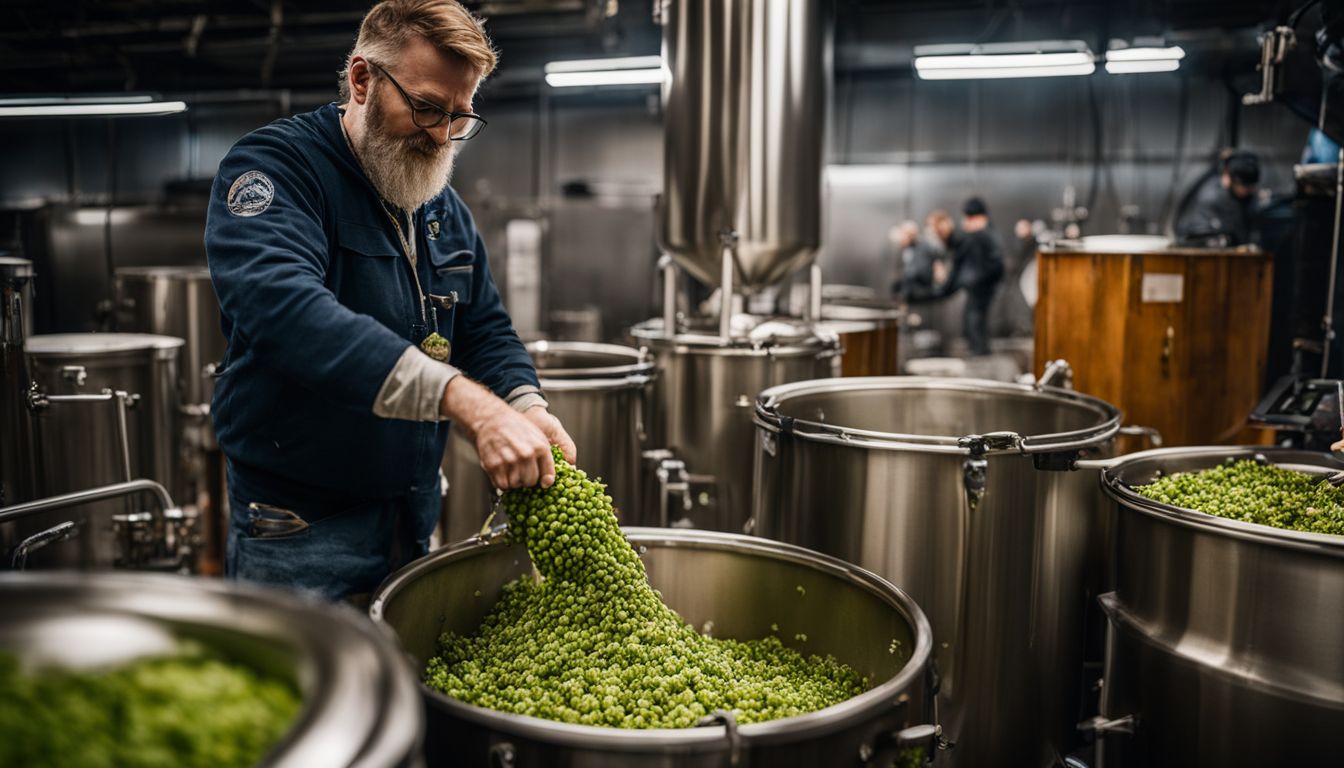
During the beer brewing process, one important step is wort boiling. Here are some key things to know about this stage:
- Wort boiling helps sterilize the liquid and extract flavors from the malt and hops.
- The wort is heated in a brew kettle until it reaches a rolling boil.
- This process typically lasts about 60 to 90 minutes.
- Boiling the wort helps break down proteins and release bitterness from the hops.
- It also helps evaporate unwanted compounds, leading to better clarity and flavor in the final beer.
- During boiling, hop additions are made at different times to achieve desired aroma and bitterness levels.
- Some brewers may choose to add additional ingredients, such as spices or fruits, during this stage.
- Wort chilling follows immediately after boiling to bring down its temperature for fermentation.
Fermentation
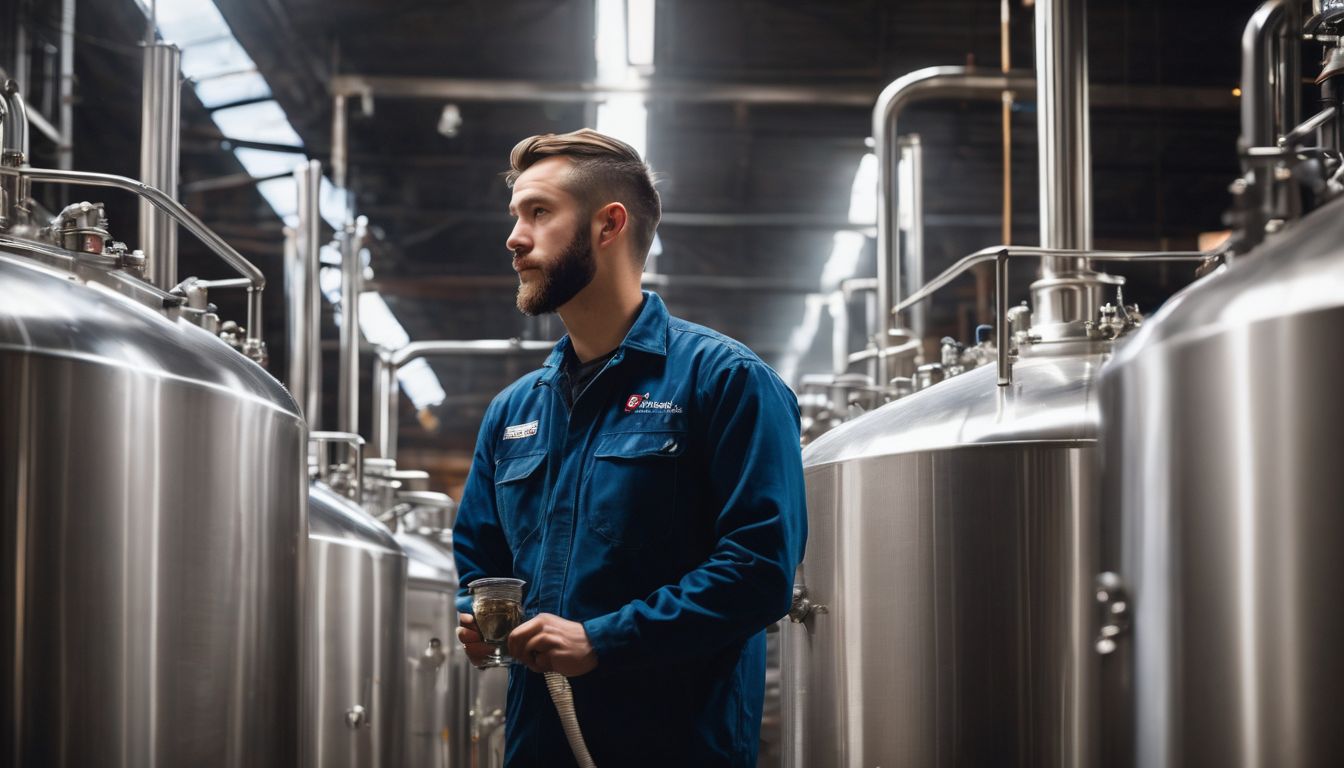
Fermentation is a crucial step in beer brewing. Here’s what you need to know:
- Fermentation is the process where yeast converts sugars into alcohol and carbon dioxide.
- It typically takes place in a fermentation vessel, like a fermenter or carboy.
- During fermentation, the yeast consumes the sugars in the wort and produces alcohol and CO2 as byproducts.
- This process can take anywhere from a few days to several weeks, depending on the beer style.
- Temperature control is important during fermentation to ensure proper yeast activity and avoid off – flavors.
- After fermentation, the beer is often transferred to another vessel for conditioning and clearing.
- Yeast strains play a significant role in shaping the flavor profile of the finished beer.
- Different types of fermentation, such as top fermentation (ale) and bottom fermentation (lager), yield different styles of beer.
Kegging and Bottling
Kegging and bottling are important steps in the beer brewing process. Here are some things to know:
- After fermentation, the beer needs to be stored and served. Kegging or bottling allows you to do this.
- Kegging involves transferring the beer into a keg, which is like a big metal container with a tap.
- Bottling is when you put the beer into bottles so it can be easily enjoyed.
- Kegging is popular because it’s more convenient and allows for carbonation control.
- When kegging, you’ll need a CO2 tank to push the beer out of the keg and into your glass.
- Bottling requires bottling equipment such as a bottle filler, capper, and caps.
- It’s important to clean and sanitize all your kegging or bottling equipment beforehand.
- For kegging, make sure your keg is properly sealed before adding CO2 and serving the beer.
- When bottling, be careful not to introduce any oxygen that could spoil the beer.
- Remember to store your kegs or bottles in a cool place away from sunlight.
Homebrewing Techniques and Tips

Learn the secrets to successful homebrewing, from making a yeast starter to clarifying your beer. Explore various techniques and expert tips for perfecting your brews. Get ready to elevate your homebrewing skills with these invaluable insights.
Making a yeast starter
Making a yeast starter is an important step in the beer brewing process. It helps ensure a healthy fermentation and can improve the overall quality of the beer. Here are some key steps to follow when making a yeast starter:
- Begin by sterilizing all equipment that will come into contact with the yeast starter, including your flask or container, airlock, and stir plate if using.
- Boil water and malt extract in a small pot to create a sterile wort. This provides the necessary nutrients for the yeast to grow.
- Once the wort has cooled to room temperature, transfer it to your sterilized flask or container.
- Add your chosen yeast strain to the flask. The amount of yeast will depend on the size of your batch and desired fermentation strength.
- Cover the flask with a sanitized airlock or foam stopper, allowing gas to escape while preventing any contaminants from entering.
- Shake or stir the yeast starter periodically to introduce oxygen and promote yeast growth.
- Keep the yeast starter at a consistent temperature (usually around 70°F) for 24-48 hours. This allows time for the yeast population to increase before pitching into your main fermentation vessel.
Dry hopping
Dry hopping is a beer brewing technique that adds hop flavor and aroma to the beer without adding bitterness. It involves adding hops directly to the fermenter during or after fermentation.
This process allows the hops’ essential oils to infuse into the beer, creating a more vibrant and refreshing taste. Dry hopping can be done with various types of hops, allowing brewers to experiment with different flavors and aromas in their beers.
It’s an excellent technique for enhancing hop-forward styles like IPAs and pale ales. So if you want your beer to have that extra burst of hoppy goodness, give dry hopping a try!
Step mashing
Step mashing is a technique used in beer brewing to enhance the flavors and characteristics of the final product. It involves different temperature rests during the mashing process. By carefully controlling these temperature rests, brewers can encourage specific enzymes to break down complex sugars into simpler ones. This allows for better extraction of flavors and fermentable sugar from the malt, resulting in a more well-rounded and complex beer.
- Protein Rest: Held at around 122°F (50°C) to help break down proteins that can cause haze in the finished beer.
- Saccharification Rest: Usually around 145-158°F (63-70°C), this step activates enzymes that convert complex starches into fermentable sugars.
- Mashout: A short rest at around 168°F (75°C) to deactivate enzymes and prepare for lautering and wort transfer.
Common off flavors in beer
Beer can sometimes develop off flavors that affect its taste and aroma. It’s important to be aware of these common off flavors so you can identify them and take steps to prevent them in your own homebrewing.
Some examples include:.
1. Diacetyl: This off flavor creates a buttery or butterscotch-like taste in beer. It is often caused by fermentation issues or bacterial contamination.
2. Acetaldehyde: This off flavor produces a green apple or fresh cut grass-like taste in beer. It is usually formed when the beer doesn’t undergo proper fermentation.
3. Skunked: When beer is exposed to sunlight, it can become skunked, resulting in a strong sulfur-like smell and unpleasant taste.
Beer clarification
Beer clarification is an important step in the brewing process that helps remove impurities and sediment from the beer, resulting in a clear and visually appealing drink. There are different methods of clarifying beer, including using finings like gelatin or Irish moss, filtering the beer, or allowing it to naturally clarify over time.
The choice of method will depend on personal preference and desired clarity. Clarification not only improves the appearance of the beer but can also enhance its flavor by reducing unwanted particles.
It’s worth noting that not all beers require extensive clarification, as some styles may benefit from a hazy appearance. Ultimately, mastering beer clarification techniques allows brewers to create high-quality brews with great visual appeal for everyone to enjoy.
Tips and tricks for successful homebrewing
- Keep your equipment clean to prevent contamination and off-flavors in your beer.
- Follow recipes and instructions carefully to ensure accurate measurements and consistent results.
- Use fresh ingredients, such as hops and yeast, for the best flavor in your beer.
- Control fermentation temperature to achieve desired flavors and avoid off – flavors.
- Take notes during the brewing process to track what works well and what can be improved for future batches.
- Experiment with different ingredients and flavors to create unique brews that suit your taste preferences.
- Join homebrewing communities or forums to learn from experienced brewers and get valuable feedback on your brews.
- Practice patience, as brewing takes time. Allow your beer to ferment and condition properly before consuming or sharing.
- Pay attention to hygiene throughout the brewing process to maintain a clean environment for your beer.
- Have fun and enjoy the process of brewing. It’s a hobby that allows you to express creativity while creating delicious beer.
Beer Recipes
This section provides a collection of different beer styles and recipes, along with detailed instructions on the ingredients and brewing process.
Different beer styles and recipes
There are many different types of beer that you can make at home. Here are some popular styles and their recipes:
- Pale Ale: A light and hoppy beer with a crisp taste.
- Ingredients: Pale malt, Cascade hops, American Ale yeast.
- Brewing instructions: Mash the grains, boil the wort, add hops during boiling, ferment for two weeks.
- Stout: A dark and rich beer with flavors of coffee and chocolate.
- Ingredients: Roasted barley, Chocolate malt, Fuggle hops, Irish Ale yeast.
- Brewing instructions: Mash the grains at a higher temperature for a fuller body, boil the wort, add hops during boiling, ferment for three weeks.
- Wheat Beer: A refreshing beer with a fruity and spicy flavor.
- Ingredients: Wheat malt, Pilsner malt, Hallertau hops,
- Brewing instructions: Mash the grains with a protein rest to enhance head retention, boil the wort with fewer hops for a milder bitterness, ferment for two weeks.
- IPA (India Pale Ale): A hop-forward beer with strong bitter flavors.
- Ingredients: Pale malt,
- Brewing instructions:
- Pilsner:
- Ingredients:
- Brewing instructions:
Ingredients and brewing instructions
The ingredients you need for brewing beer and the step-by-step instructions are essential to making a good brew. Here is what you’ll need:
- Malt: This is the main ingredient in beer and provides the sugars that yeast will ferment. You can choose from different types such as barley, wheat, or rye.
- Hops: These are flowers that add bitterness, flavor, and aroma to your beer. They also act as a natural preservative. Different hop varieties can give your beer different characteristics.
- Yeast: This microorganism is responsible for the fermentation process that turns sugars into alcohol and carbon dioxide. There are different strains of yeast available, each contributing its own unique flavors.
- Water: The quality of water used in brewing affects the taste of your beer. It’s important to use clean, filtered water free from any impurities.
- Mash: Crushed malt is mixed with hot water in a mash tun to extract sugars and enzymes.
- Sparge: After mashing, hot water is poured over the mashed grains to rinse out remaining sugars.
- Boil: The liquid extracted from mashing (known as wort) is boiled with hops for flavoring and sterilization.
- Fermentation: The cooled wort is transferred to a fermenter where yeast is added. Yeast consumes sugars and produces alcohol and carbon dioxide.
- Bottling or Kegging: Once fermentation is complete, the beer can be transferred into bottles or kegs for carbonation and storage.
Homebrewing Resources and Community

In this section, we will explore the additional information and resources available to homebrewers. You can also join homebrewing communities and forums to share experiences and receive valuable feedback from other brewers in order to enhance your brewing skills.
Additional information and resources
If you’re looking to dive deeper into the world of beer brewing, there are additional resources and information available to help you on your brewing journey. One valuable resource mentioned in the article is a book called “How to Brew” by John Palmer, which provides step-by-step instructions and guidance for homebrewers.
Another resource highlighted is the “Homebrewer’s Almanac,” a seasonal guide that offers inspiration and recipes for making beer using fresh ingredients. These resources can provide you with further knowledge and techniques to enhance your brewing skills.
Additionally, joining homebrewing communities and forums can connect you with other brewers who can share their experiences and offer feedback on your brews. By tapping into these additional resources, you can continue expanding your brewing expertise and creating delicious homemade beers that everyone will enjoy.
Joining homebrewing communities and forums
If you’re interested in learning more about homebrewing and connecting with other beer enthusiasts, joining homebrewing communities and forums is a great way to get involved. These online communities provide a platform for sharing experiences, asking questions, and getting feedback from other brewers.
You can connect with people who share your passion for brewing and learn from their knowledge and expertise. It’s a supportive environment where you can seek advice, troubleshoot any issues you may encounter during the brewing process, and even exchange recipes and tips.
By joining these communities, you’ll be able to expand your network, gain valuable insights, and continue improving your brewing skills. So don’t hesitate to join these vibrant communities – they offer a wealth of information that can take your homebrewing game to the next level!
Sharing experiences and getting feedback from other brewers.
Connect with fellow brewers to enhance your beer brewing journey! By joining homebrewing communities and forums, you open the door to a wealth of knowledge and experience. Connect with like-minded individuals who share your passion for brewing.
Share your own experiences, ask questions, and get feedback on your brews. Learn from others’ successes and mistakes, gaining valuable insights that can help improve your techniques and recipes.
The camaraderie of the brewing community creates an environment where you can bond over a shared love for beer while expanding your skills as a brewer.
Conclusion

In conclusion, “Mastering the Art of Beer Brewing Techniques: A Comprehensive Guide” is the ultimate resource for beer drinkers interested in brewing their own beer. This guide covers everything from the basic brewing process to advanced techniques and recipes.
With step-by-step instructions and valuable information, this guide will help beginners get started and provide tips for more experienced brewers. Cheers to a fantastic brewing journey!
FAQs
1. What are the basic equipment needed for beer brewing?
The basic equipment needed for beer brewing includes a fermenter, airlock, siphon, thermometer, hydrometer, and bottles or kegs for storing the finished beer.
2. How long does it take to brew beer?
The time it takes to brew beer can vary depending on the recipe and type of beer being brewed. It generally takes around 2-4 weeks from start to finish.
3. Can I brew beer at home without any previous experience?
Yes, you can brew beer at home even without any previous experience. There are beginner-friendly kits and recipes available that provide step-by-step instructions to help you get started.
4. What are some common problems that may occur during beer brewing?
Some common problems that may occur during beer brewing include contamination by unwanted organisms, fermentation issues like stuck fermentation or off-flavors in the final product, and clarity or carbonation issues. These can usually be resolved with proper sanitation practices and troubleshooting techniques.